
Cedrus deodara (Roxb. ex D.Don) G.Don
A medium-sized deciduous tree known for its natural cleansing properties and wide ecological value.
Quick Facts
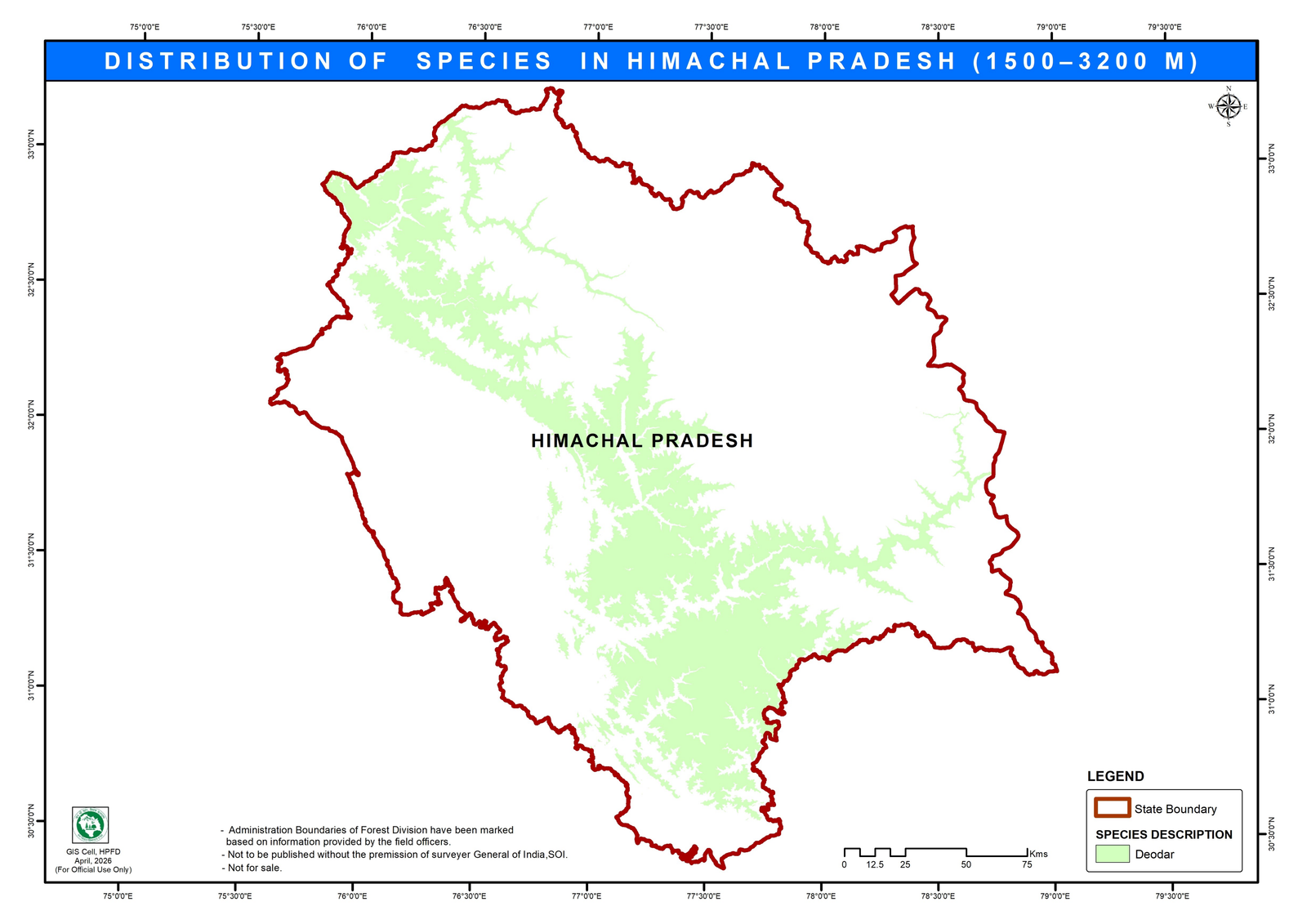
North Central India (Himalayan regions, particularly in states like Himachal Pradesh, Uttarakhand, and Jammu and Kashmir,These areas provide the ideal climate and soil conditions.), East-Afganistan, South western Tibet,Northern Pakistan and Western Nepal.
It grows at altitudes of 1500 -3200m.
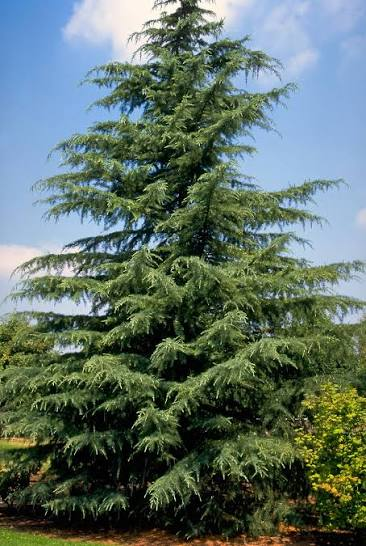
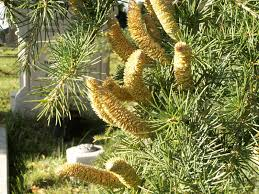
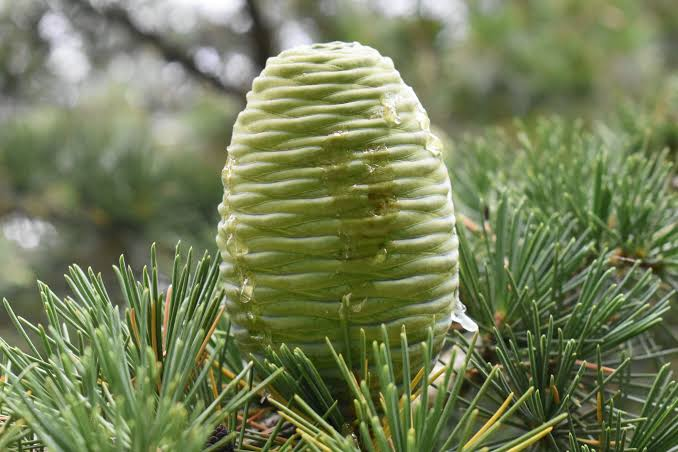
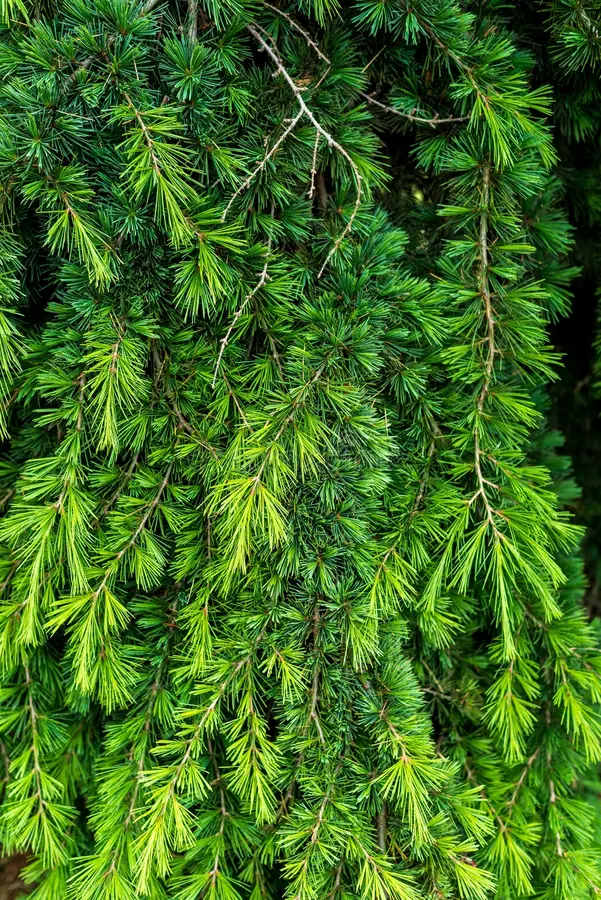
Male cones are typically erect, oblong or ovoid, and appear in clusters, releasing pollen in the fall. Female cones are barrel-shaped, solitary, and located on the upper branches.“Deodar is a wind-pollinated monoecious species” The Cedrus deodara, also known as the Himalayan cedar, is a beautiful evergreen tree native to the western Himalayas. It's known for its graceful, drooping branches and bluish-green needles. The tree can grow quite tall, often reaching heights of up to 40 meters. Cedrus deodara is typically sown in the spring, around March to April, when the soil is workable and temperatures are moderate. For collecting seeds, it's best to do so in the autumn, typically from October to November, when the cones have matured and the seeds are ready for harvesting.
- It is in great demand as building material because of its durability, rot resistant character and fine , close grain which is capable of taking a high polish. Its historical use to construct religious temples and in land scaping around temples.Cedar oil often used for its aromatic properties. its application include soap perfumes, household sprays ,floor polishes and insecticides and is also used in microscope work as clearing oil.
Plant Details
Seed
Flower
Fruit
Leaves
Bark
Cedrus deodara (Roxb. ex D.Don) G.Don
A medium-sized deciduous tree known for its natural cleansing properties and wide ecological value.
All Tree SpeciesQuick Facts
Native Information
North Central India (Himalayan regions, particularly in states like Himachal Pradesh, Uttarakhand, and Jammu and Kashmir,These areas provide the ideal climate and soil conditions.), East-Afganistan, South western Tibet,Northern Pakistan and Western Nepal.
Habitat
It grows at altitudes of 1500 -3200m.
Habit
Male cones are typically erect, oblong or ovoid, and appear in clusters, releasing pollen in the fall. Female cones are barrel-shaped, solitary, and located on the upper branches.“Deodar is a wind-pollinated monoecious species” The Cedrus deodara, also known as the Himalayan cedar, is a beautiful evergreen tree native to the western Himalayas. It's known for its graceful, drooping branches and bluish-green needles. The tree can grow quite tall, often reaching heights of up to 40 meters. Cedrus deodara is typically sown in the spring, around March to April, when the soil is workable and temperatures are moderate. For collecting seeds, it's best to do so in the autumn, typically from October to November, when the cones have matured and the seeds are ready for harvesting.
Uses
- It is in great demand as building material because of its durability, rot resistant character and fine , close grain which is capable of taking a high polish. Its historical use to construct religious temples and in land scaping around temples.Cedar oil often used for its aromatic properties. its application include soap perfumes, household sprays ,floor polishes and insecticides and is also used in microscope work as clearing oil.
Seed
Flower
Fruit
Leaves
Bark