
Quercus floribunda Lindl. ex A.Camus
A medium-sized deciduous tree known for its natural cleansing properties and wide ecological value.
Quick Facts
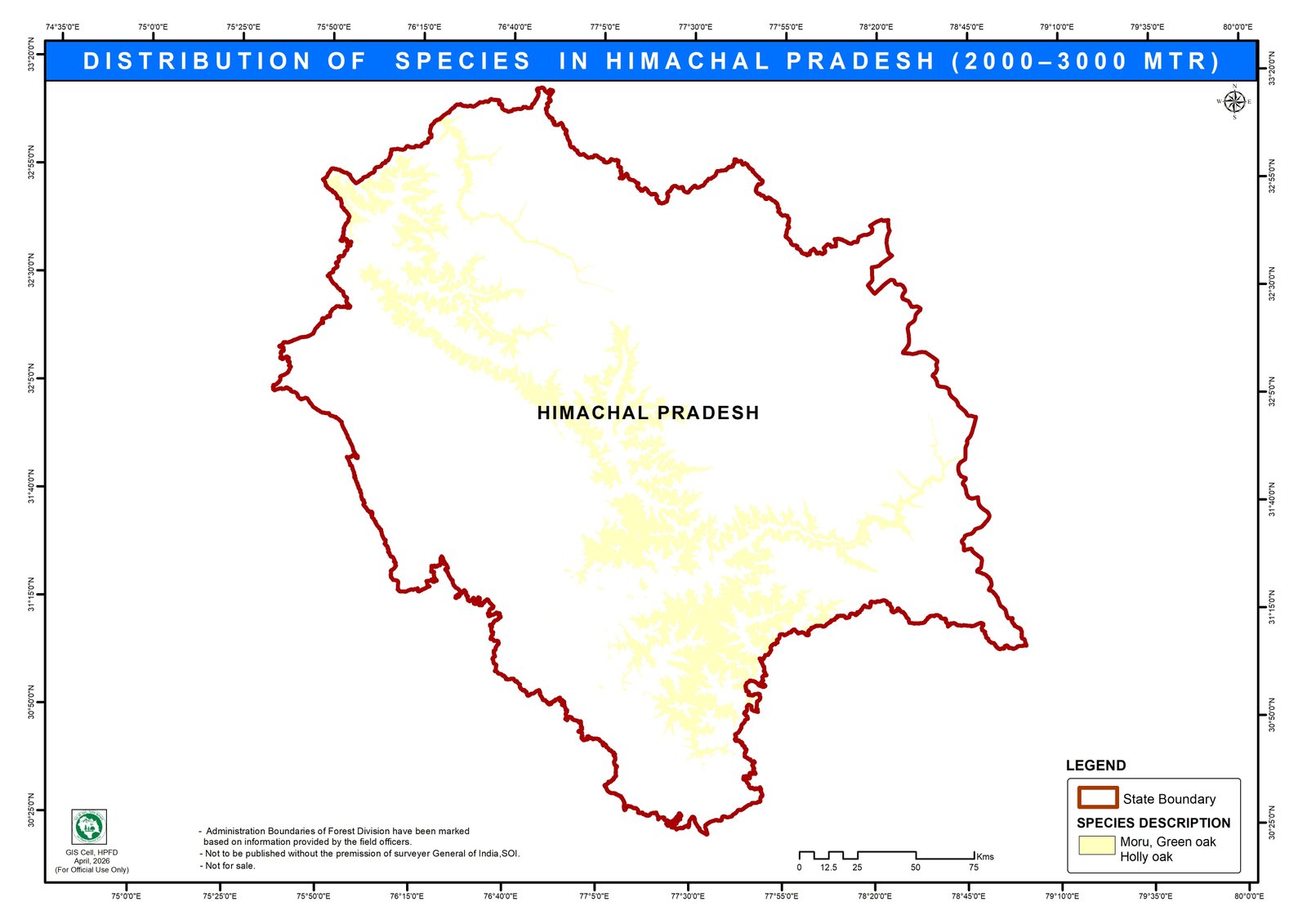
The native range of Quercus dilatata, also known as Mohru oak or Green oak, is primarily the Western Himalayas, extending from Afghanistan to Nepal. Specifically, it is found in Jammu and Kashmir, Himachal Pradesh, and Uttarakhand in India, as well as in Pakistan and Nepal.
It grows at altitudes of from 2000 - 3000 m.
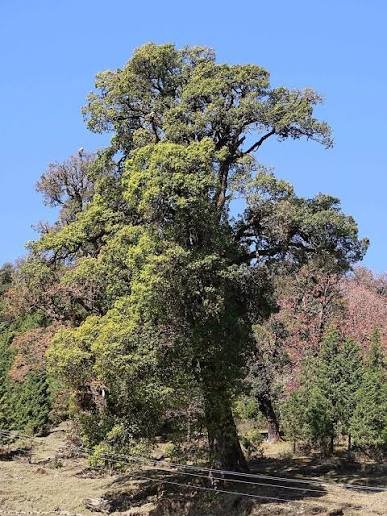
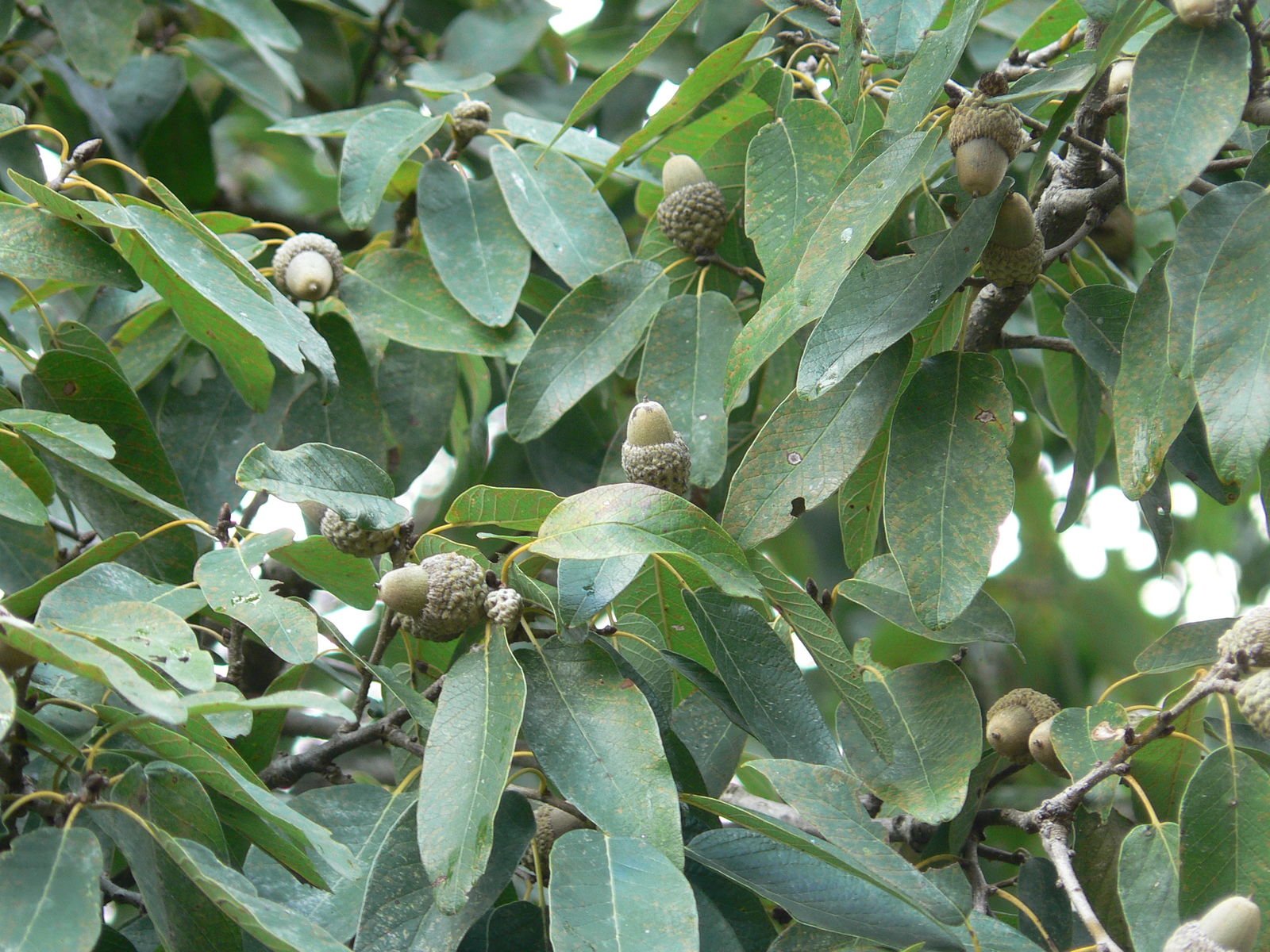
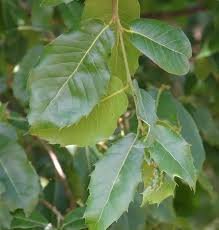
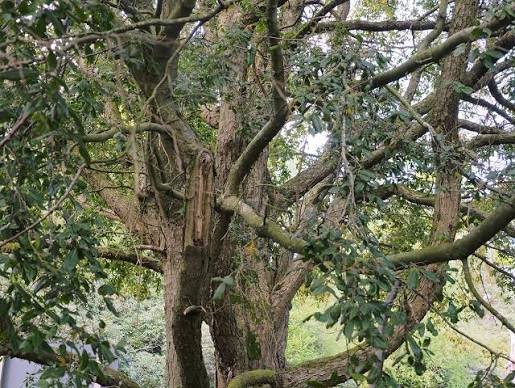
It is known as Mohru oak or Moru oak, is a large evergreen tree native to the western Himalayas, particularly in areas like Himachal Pradesh. It thrives at mid-elevations, forming mixed broadleaf forests. This oak is known for its large, leathery leaves, which can be entire or spiny-toothed, and its ability to coppice (regrow from cut stumps). The tree is important in its ecosystem, providing fodder for livestock and wood for fuel. A large tree, reaching 20-30 meters in height, with a dense crown.
- It has traditional and potential medicinal uses. Locally, it's used for fuelwood, timber, and fodder for cattle. Its bark and leaves have been used traditionally to treat various ailments, including diarrhea, inflammation, and even as a source of tannins. Recent studies have also explored its potential as an antidiabetic and anti-inflammatory agent.
Plant Details
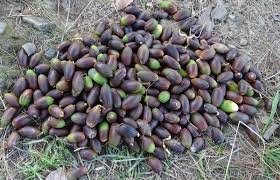
Seed
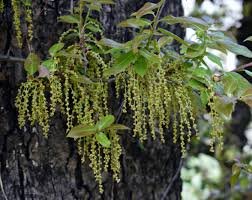
Flower
Fruit
Leaves
Bark
Quercus floribunda Lindl. ex A.Camus
A medium-sized deciduous tree known for its natural cleansing properties and wide ecological value.
All Tree SpeciesQuick Facts
Native Information
The native range of Quercus dilatata, also known as Mohru oak or Green oak, is primarily the Western Himalayas, extending from Afghanistan to Nepal. Specifically, it is found in Jammu and Kashmir, Himachal Pradesh, and Uttarakhand in India, as well as in Pakistan and Nepal.
Habitat
It grows at altitudes of from 2000 - 3000 m.
Habit
It is known as Mohru oak or Moru oak, is a large evergreen tree native to the western Himalayas, particularly in areas like Himachal Pradesh. It thrives at mid-elevations, forming mixed broadleaf forests. This oak is known for its large, leathery leaves, which can be entire or spiny-toothed, and its ability to coppice (regrow from cut stumps). The tree is important in its ecosystem, providing fodder for livestock and wood for fuel. A large tree, reaching 20-30 meters in height, with a dense crown.
Uses
- It has traditional and potential medicinal uses. Locally, it's used for fuelwood, timber, and fodder for cattle. Its bark and leaves have been used traditionally to treat various ailments, including diarrhea, inflammation, and even as a source of tannins. Recent studies have also explored its potential as an antidiabetic and anti-inflammatory agent.
Seed
Flower
Fruit
Leaves
Bark