
Myrica esculenta Buch.-Ham. ex D.Don
Also known as: Himalayan Bayberry , kaphal
A medium-sized deciduous tree known for its natural cleansing properties and wide ecological value.
Quick Facts
FAMILY
Myricaceae
NATIVE REGION
India, Nepal, Bhutan
IUCN STATUS
Least concern
TYPE
Deciduous Tree
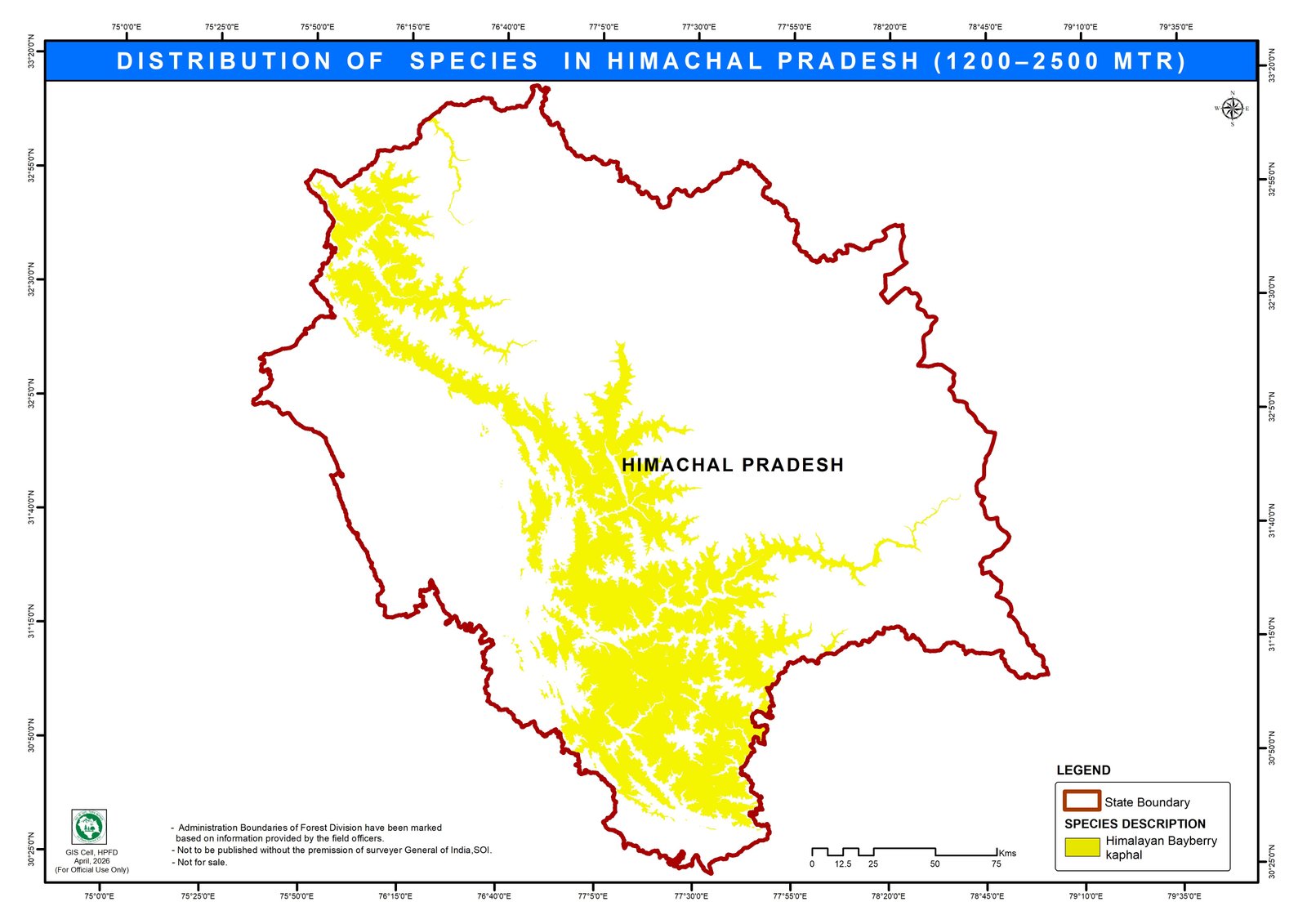
Western Himalaya and central Himalayas (India, Nepal, Bhutan, Pakistan).
Temperate forests slopes and valleys; 1200-2500m; prefers well drained moist soils.
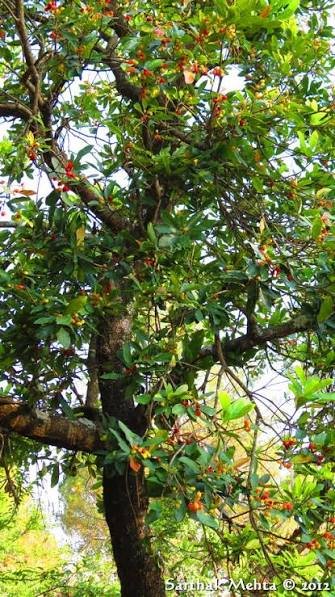
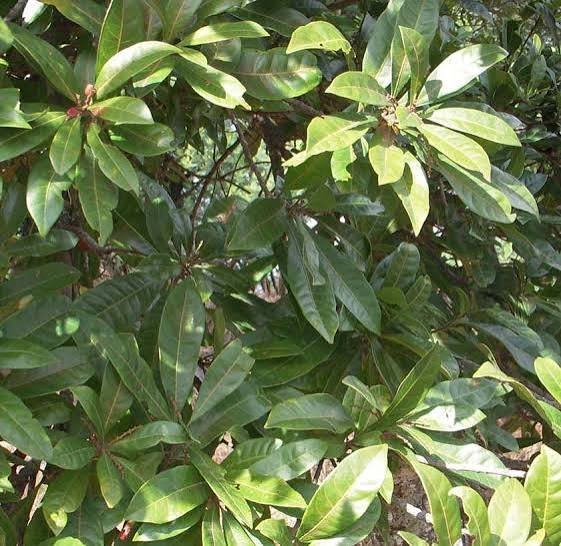
Small to medium evergreen tree,6-12m; simple aromatic leaves; small greenish- yellow flowers; dark purple edible.
- Fruits edible and used in jams; leaves and bark for traditonal medicine; ornamental; honey plant; wood used locally for small tools and fuel.
Important for ecological balance and supports biodiversity.
Plant Details
Seed
Flower
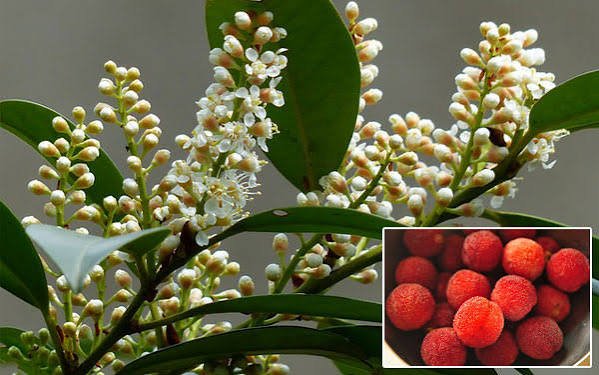
Fruit
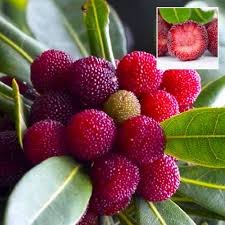
Leaves
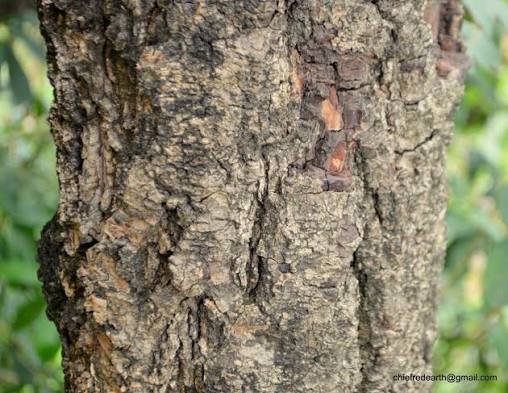
Bark
Myrica esculenta Buch.-Ham. ex D.Don
Also known as: Himalayan Bayberry , kaphal
A medium-sized deciduous tree known for its natural cleansing properties and wide ecological value.
All Tree SpeciesQuick Facts
FAMILY
Myricaceae
NATIVE REGION
India, Nepal, Bhutan
IUCN STATUS
Least concern
TYPE
Deciduous Tree
Native Information
Western Himalaya and central Himalayas (India, Nepal, Bhutan, Pakistan).
Habitat
Temperate forests slopes and valleys; 1200-2500m; prefers well drained moist soils.
Habit
Small to medium evergreen tree,6-12m; simple aromatic leaves; small greenish- yellow flowers; dark purple edible.
Uses
- Fruits edible and used in jams; leaves and bark for traditonal medicine; ornamental; honey plant; wood used locally for small tools and fuel.
Important for ecological balance.
Seed
Flower
Fruit
Leaves
Bark
×
![Enlarged view]()