
Pinus gerardiana Wall. ex D.Don
A medium-sized deciduous tree known for its natural cleansing properties and wide ecological value.
Quick Facts
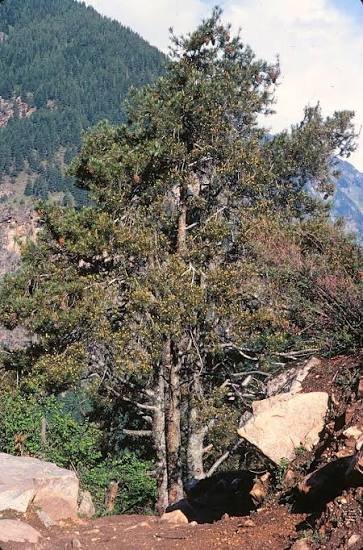
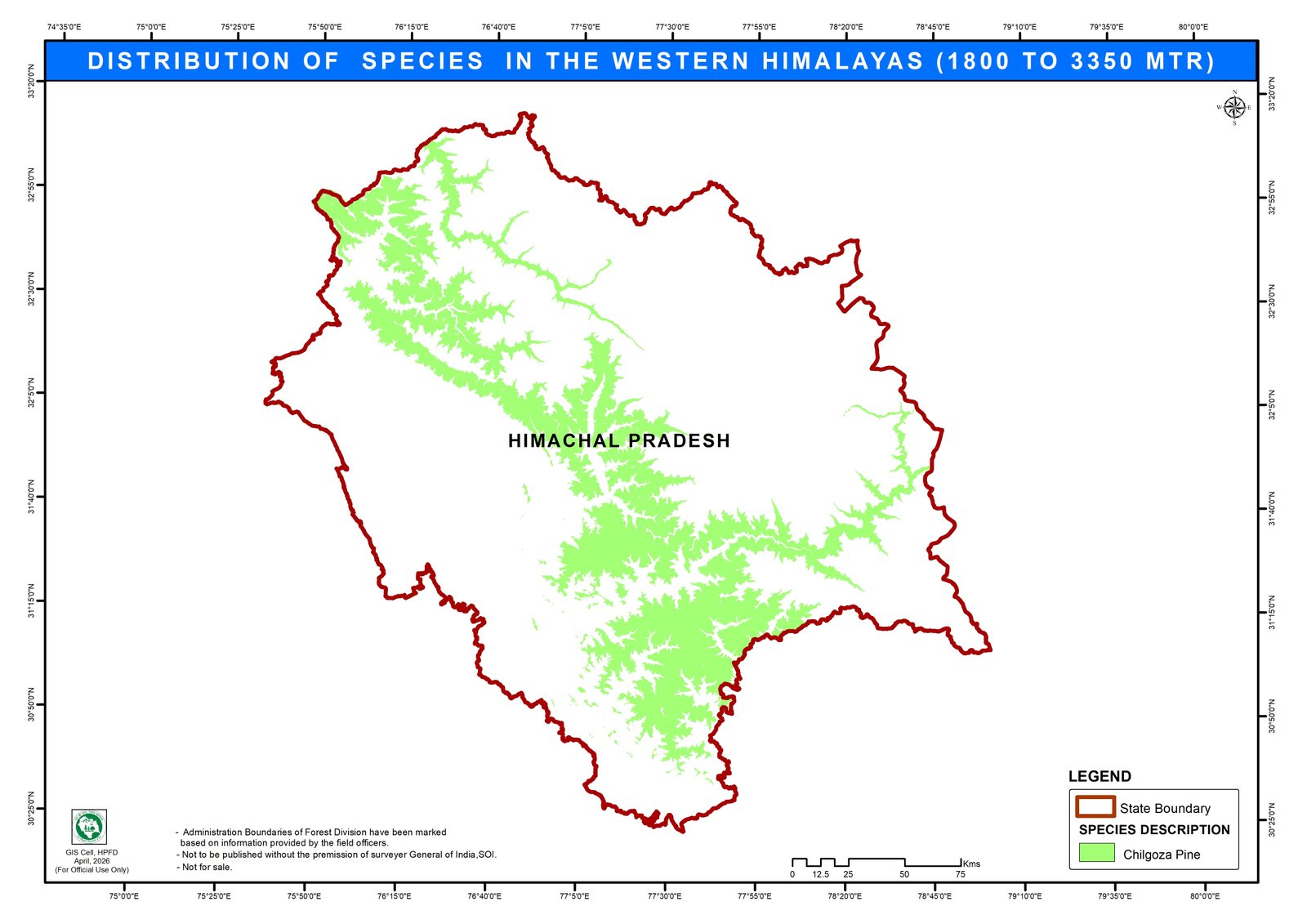
Native to Afghanistan, Pakistan, India, and Tibet.
It grows at elevations of 1,800–3,350 m (5,910–10,990 ft). It inhabits valley floors in the Himalayas, tending to grow among open vegetation on dry, sunny slopes.
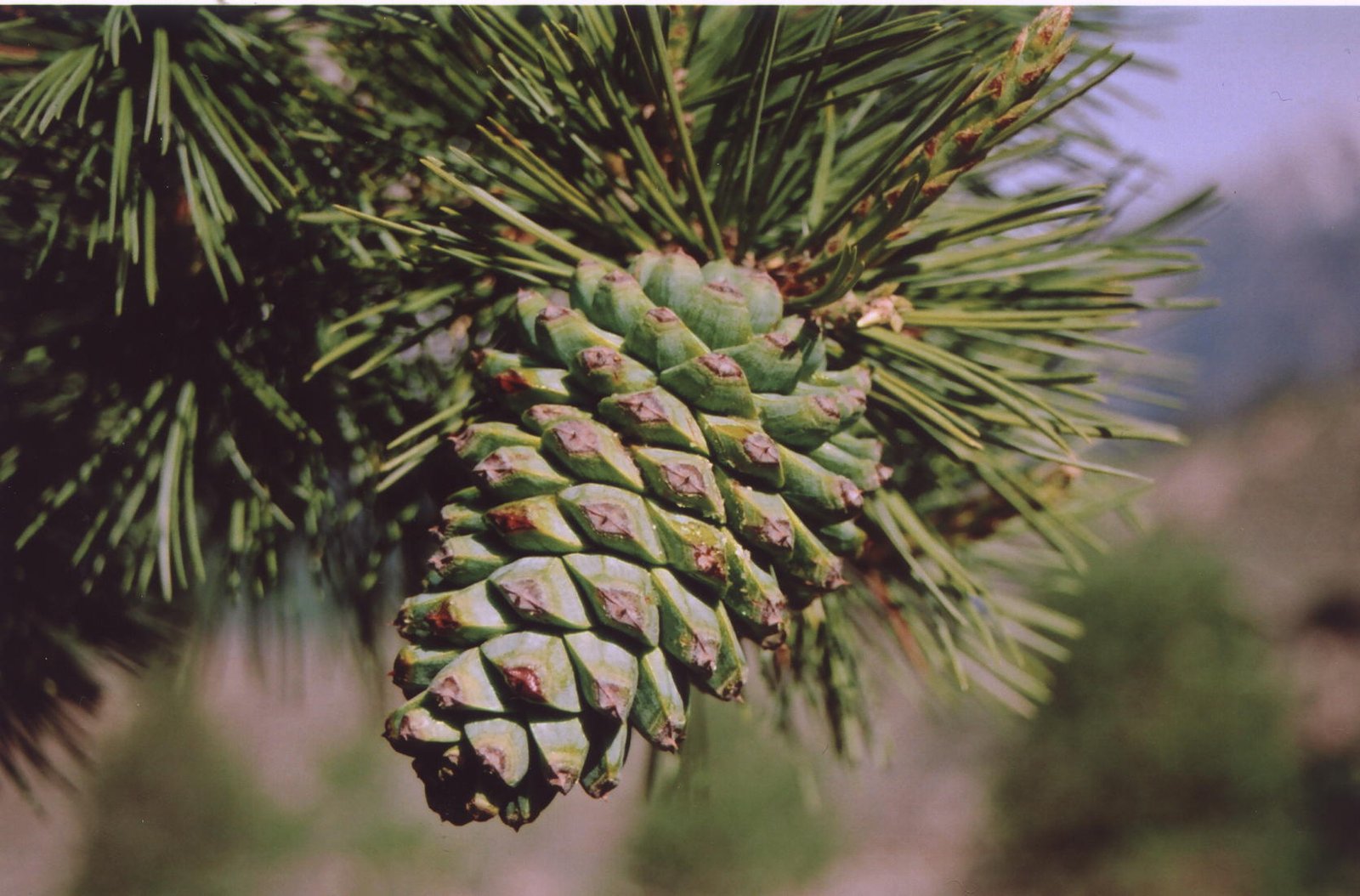
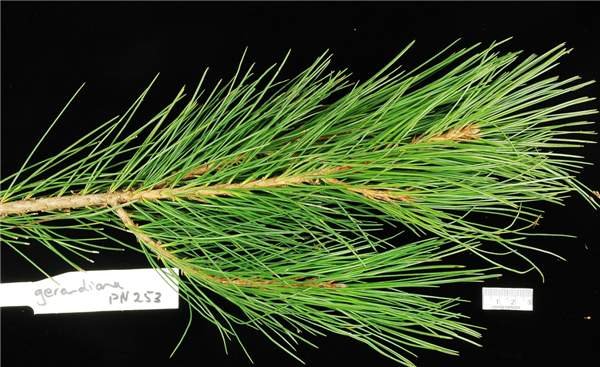
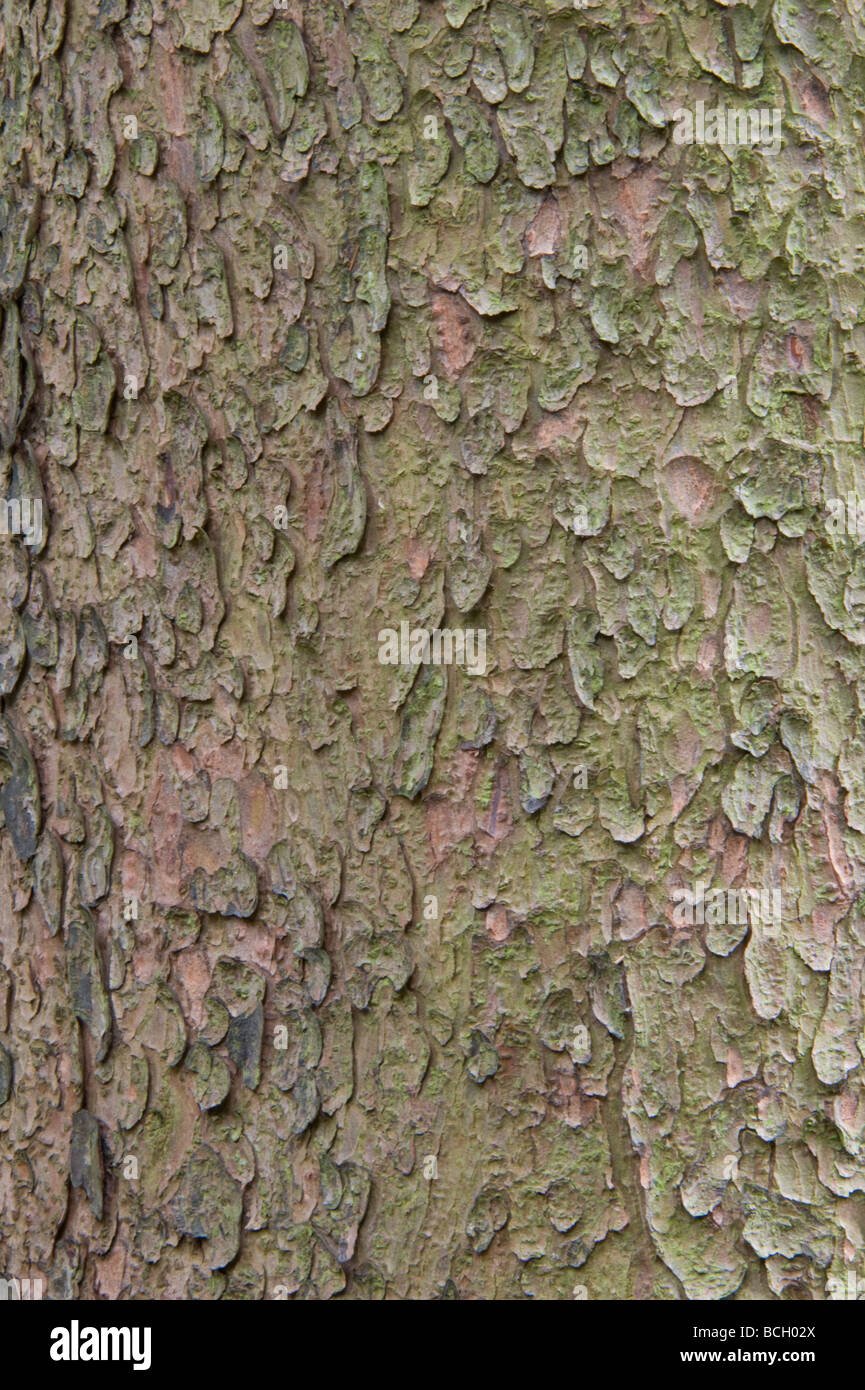
Evergreen trees are 15–25 metres (49–82 ft) tall with usually deep, wide and open crowns with long, erect branches. However, crowns are narrower and shallower in dense forests. The bark is very flaky, peeling to reveal light greyish-green patches. The branchlets are smooth and olive-green.Since their seeds do not have a wing capable of enabling effective dispersal by wind, the seeds of P. gerardiana are dispersed by birds.The Eurasian nutcracker (Nucifraga caryocatactes subsp. multipunctata) is one such species that does so.
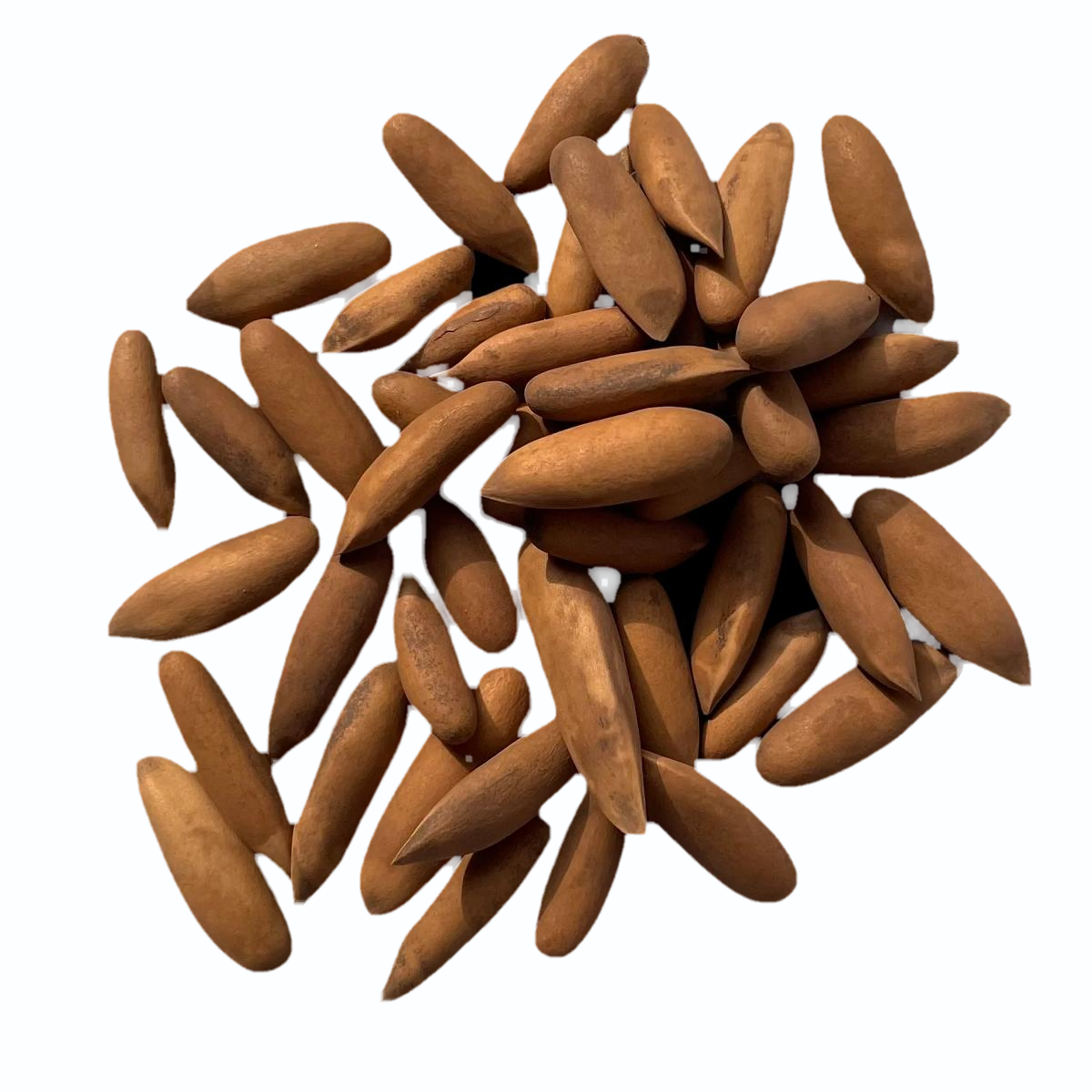
- Chilgoza pine nuts are rich in carbohydrates and proteins.Chilghoza seeds, or pine nuts, are harvested for consumption in autumn and early winter by knocking the cones off of the trees. he seeds are locally referred to and marketed as "chilgoza", "neja" (singular) or "neje" (plural). Chilghoza is one of the most important cash crops of Afganistan as well as of Kinnaur and Pangi Valley of Chamba district of Himachal Pradesh, India. They are sold at approximately $20–$53 per kilograms in India.
Plant Details
Seed
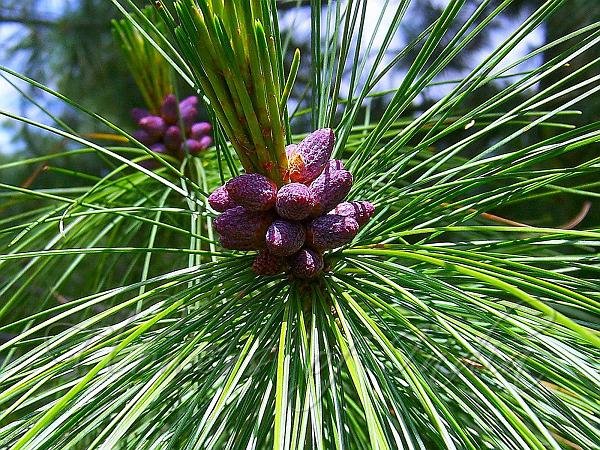
Flower
Fruit
Leaves
Bark
Pinus gerardiana Wall. ex D.Don
A medium-sized deciduous tree known for its natural cleansing properties and wide ecological value.
All Tree SpeciesQuick Facts
Native Information
Native to Afghanistan, Pakistan, India, and Tibet.
Habitat
It grows at elevations of 1,800–3,350 m (5,910–10,990 ft). It inhabits valley floors in the Himalayas, tending to grow among open vegetation on dry, sunny slopes.
Habit
Evergreen trees are 15–25 metres (49–82 ft) tall with usually deep, wide and open crowns with long, erect branches. However, crowns are narrower and shallower in dense forests. The bark is very flaky, peeling to reveal light greyish-green patches. The branchlets are smooth and olive-green.Since their seeds do not have a wing capable of enabling effective dispersal by wind, the seeds of P. gerardiana are dispersed by birds.The Eurasian nutcracker (Nucifraga caryocatactes subsp. multipunctata) is one such species that does so.
Uses
- Chilgoza pine nuts are rich in carbohydrates and proteins.Chilghoza seeds, or pine nuts, are harvested for consumption in autumn and early winter by knocking the cones off of the trees. he seeds are locally referred to and marketed as "chilgoza", "neja" (singular) or "neje" (plural). Chilghoza is one of the most important cash crops of Afganistan as well as of Kinnaur and Pangi Valley of Chamba district of Himachal Pradesh, India. They are sold at approximately $20–$53 per kilograms in India.
Seed
Flower
Fruit
Leaves
Bark