
Pyrus pashia Buch.-Ham. ex D.Don
A medium-sized deciduous tree known for its natural cleansing properties and wide ecological value.
Quick Facts
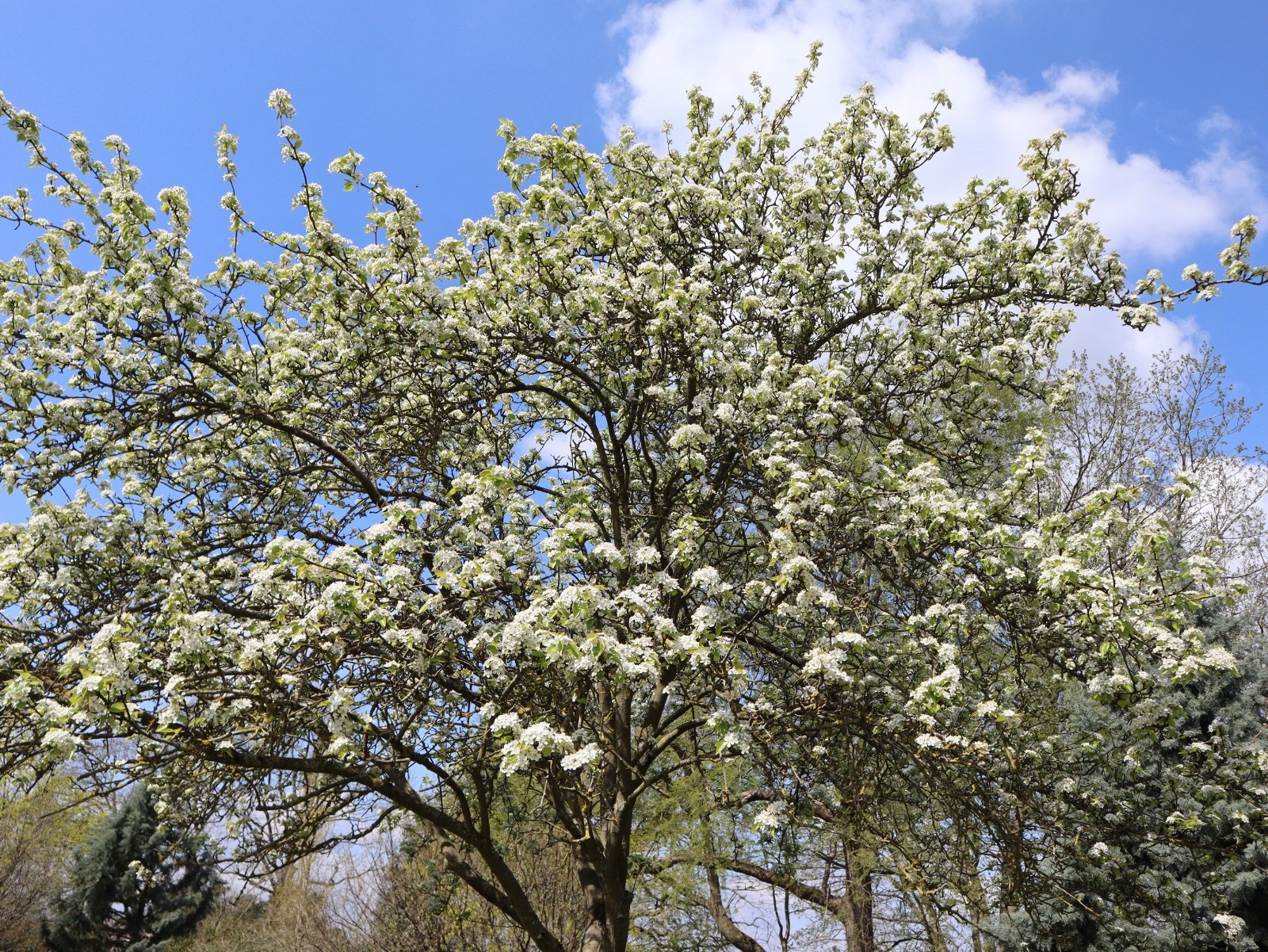
native to the Himalaya and parts of south-east Asia.
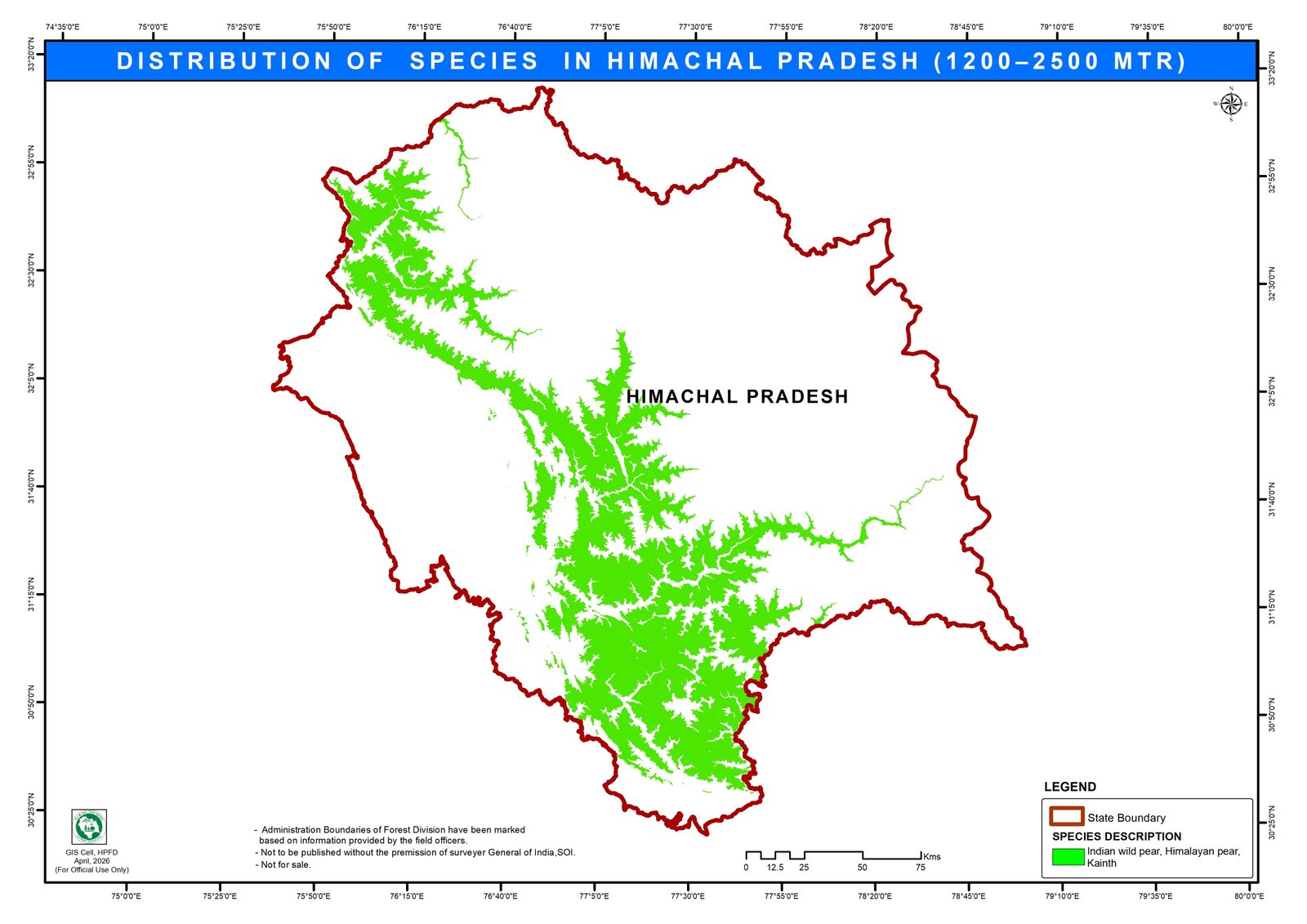
Elevation ranges from 1200 m to 2500 m.
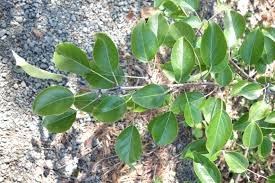
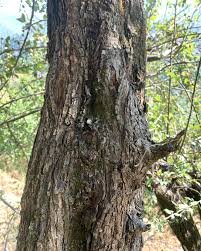
Small to medium sized deciduous tree 6-12m tall. Leaves are ovate to elliptic, finely serrated margins, green above and paler beneath.white to pale pink, appear in spring in cluster before leafing out. Gray-brown smooth in young trees, becoming fissured with age.
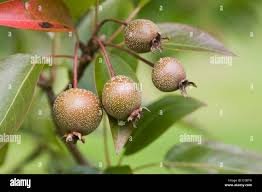
- Fruits are edible,sometimes used in local diets ,raw or cooked. Timber is hard and locally used for agricultural implements and firewood.Fruits, bark, and leaves used in traditonal remedies for digestive and repiratory issues. Ecological; supports birds and small mammals that feed on fruits contributes to forest biodiversity.
Plant Details
Seed
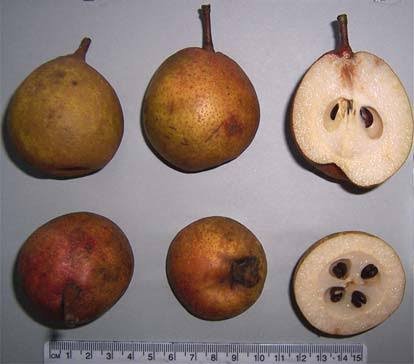
Flower
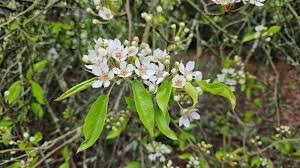
Fruit
Leaves
Bark
Pyrus pashia Buch.-Ham. ex D.Don
A medium-sized deciduous tree known for its natural cleansing properties and wide ecological value.
All Tree SpeciesQuick Facts
Native Information
native to the Himalaya and parts of south-east Asia.
Habitat
Elevation ranges from 1200 m to 2500 m.
Habit
Small to medium sized deciduous tree 6-12m tall. Leaves are ovate to elliptic, finely serrated margins, green above and paler beneath.white to pale pink, appear in spring in cluster before leafing out. Gray-brown smooth in young trees, becoming fissured with age.
Uses
- Fruits are edible,sometimes used in local diets ,raw or cooked. Timber is hard and locally used for agricultural implements and firewood.Fruits, bark, and leaves used in traditonal remedies for digestive and repiratory issues. Ecological; supports birds and small mammals that feed on fruits contributes to forest biodiversity.
Seed
Flower
Fruit
Leaves
Bark