
Salix alba L
A medium-sized deciduous tree known for its natural cleansing properties and wide ecological value.
Quick Facts
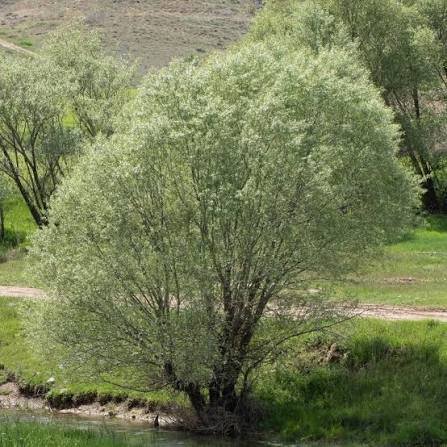
Europe and western and central Asia cultivated and naturalized in the himalayas (India ,pakistan,Nepal)
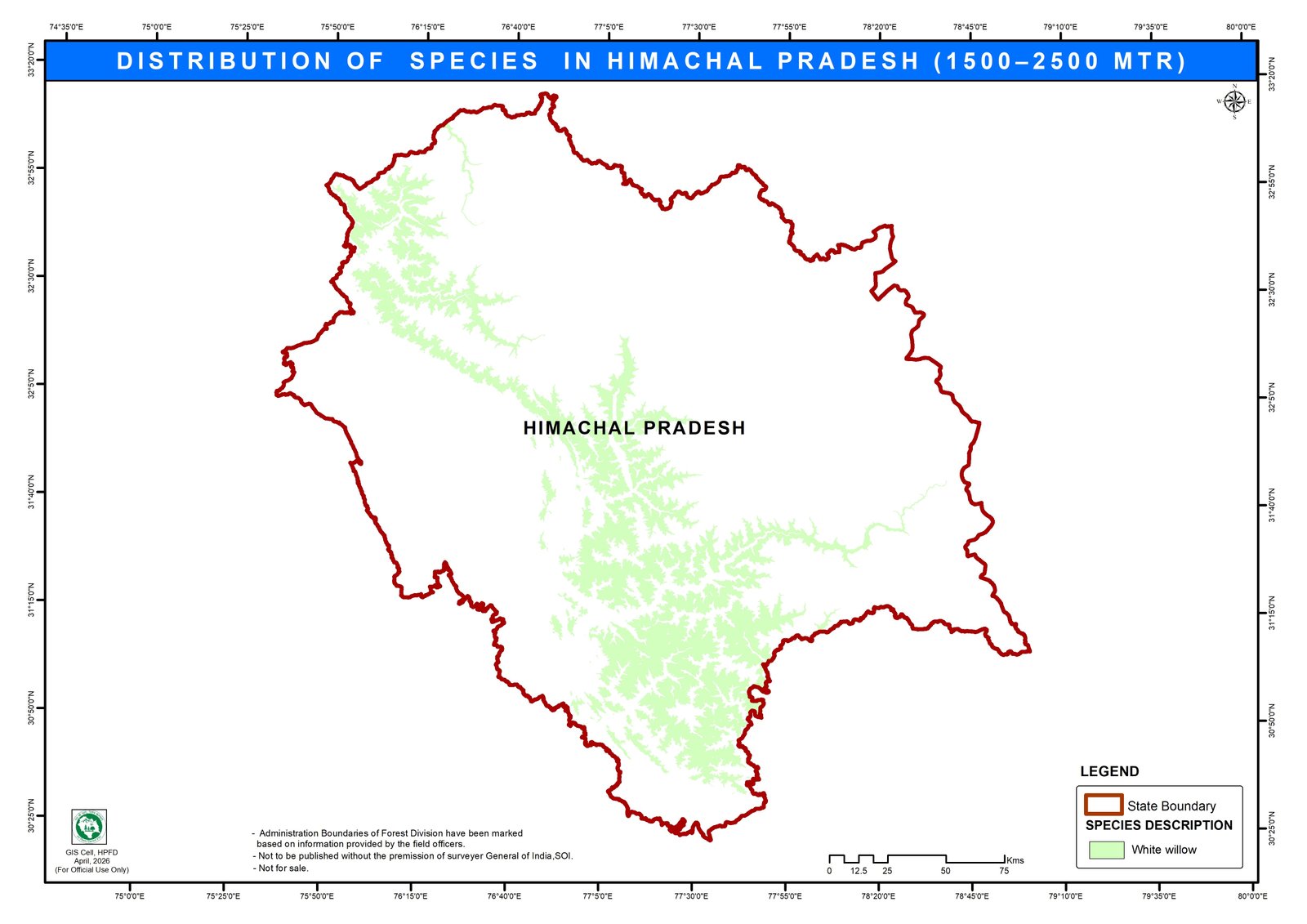
Found along river banks,lakesides ,flood plains usually at 1500-2500m in the himalayas
large deciduous tree , typically 15-25m tall ,with spreading branches and often leaning trunks.
- Bark contains salicin , compound historically used as a natural source for asprin like remedies against fever ,pain and inflamation. Timber is tough and light used gor crickets bats, tools handles,plywoods etc. fodder, fuelwood, ornamental.
Plant Details
Seed
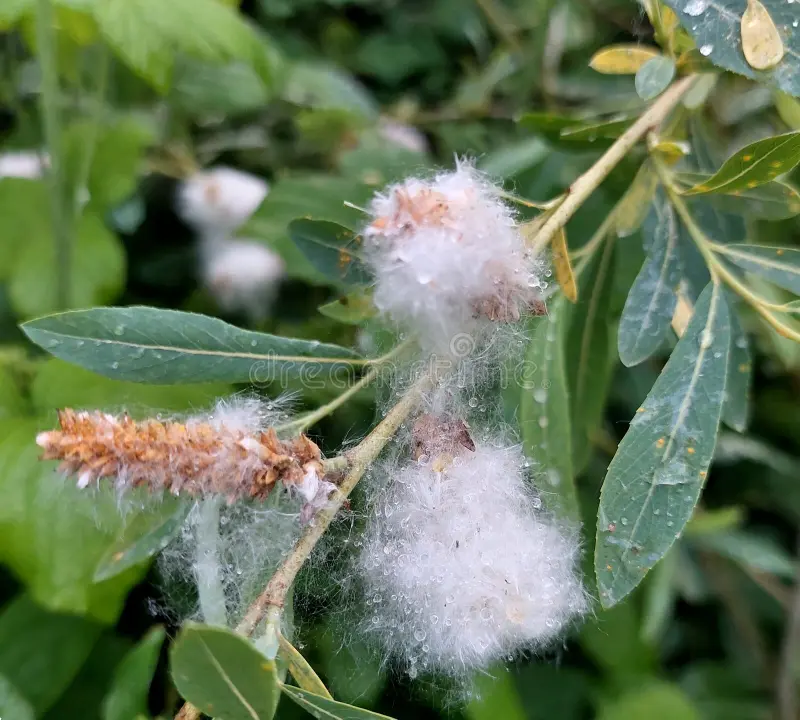
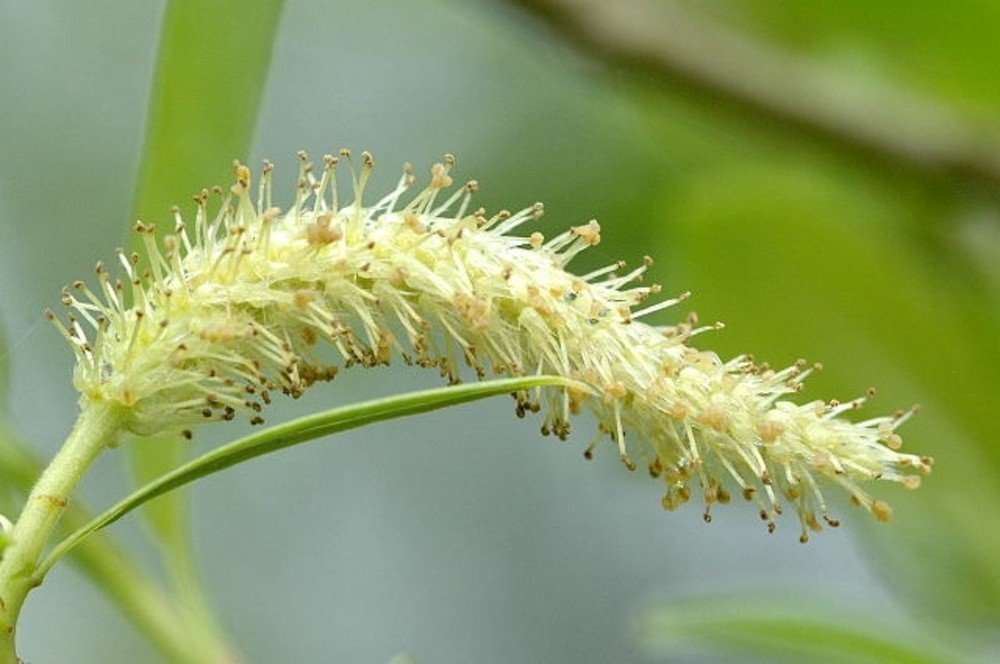
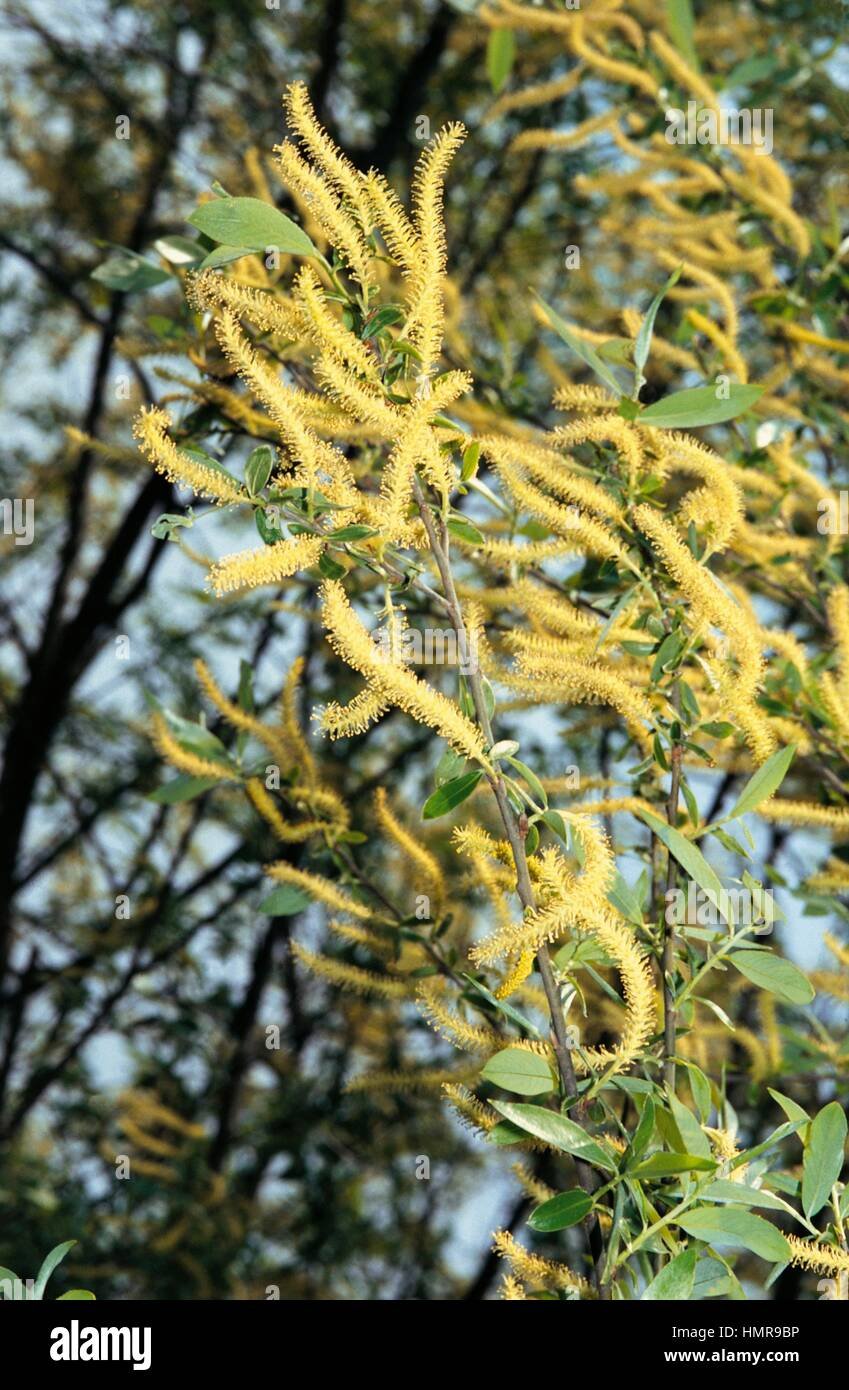
Flower
Fruit
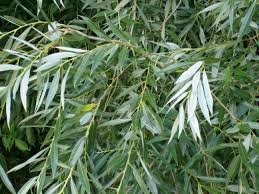
Leaves
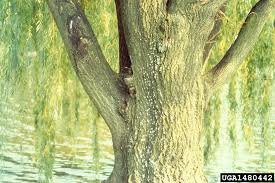
Bark
Salix alba L
A medium-sized deciduous tree known for its natural cleansing properties and wide ecological value.
All Tree SpeciesQuick Facts
Native Information
Europe and western and central Asia cultivated and naturalized in the himalayas (India ,pakistan,Nepal)
Habitat
Found along river banks,lakesides ,flood plains usually at 1500-2500m in the himalayas
Habit
large deciduous tree , typically 15-25m tall ,with spreading branches and often leaning trunks.
Uses
- Bark contains salicin , compound historically used as a natural source for asprin like remedies against fever ,pain and inflamation. Timber is tough and light used gor crickets bats, tools handles,plywoods etc. fodder, fuelwood, ornamental.
Seed
Flower
Fruit
Leaves
Bark