
Salix babylonica L.
A medium-sized deciduous tree known for its natural cleansing properties and wide ecological value.
Quick Facts
Originally from china ,but widely planted across Asia inculding the himalayas (India, pakistan, Nepal).
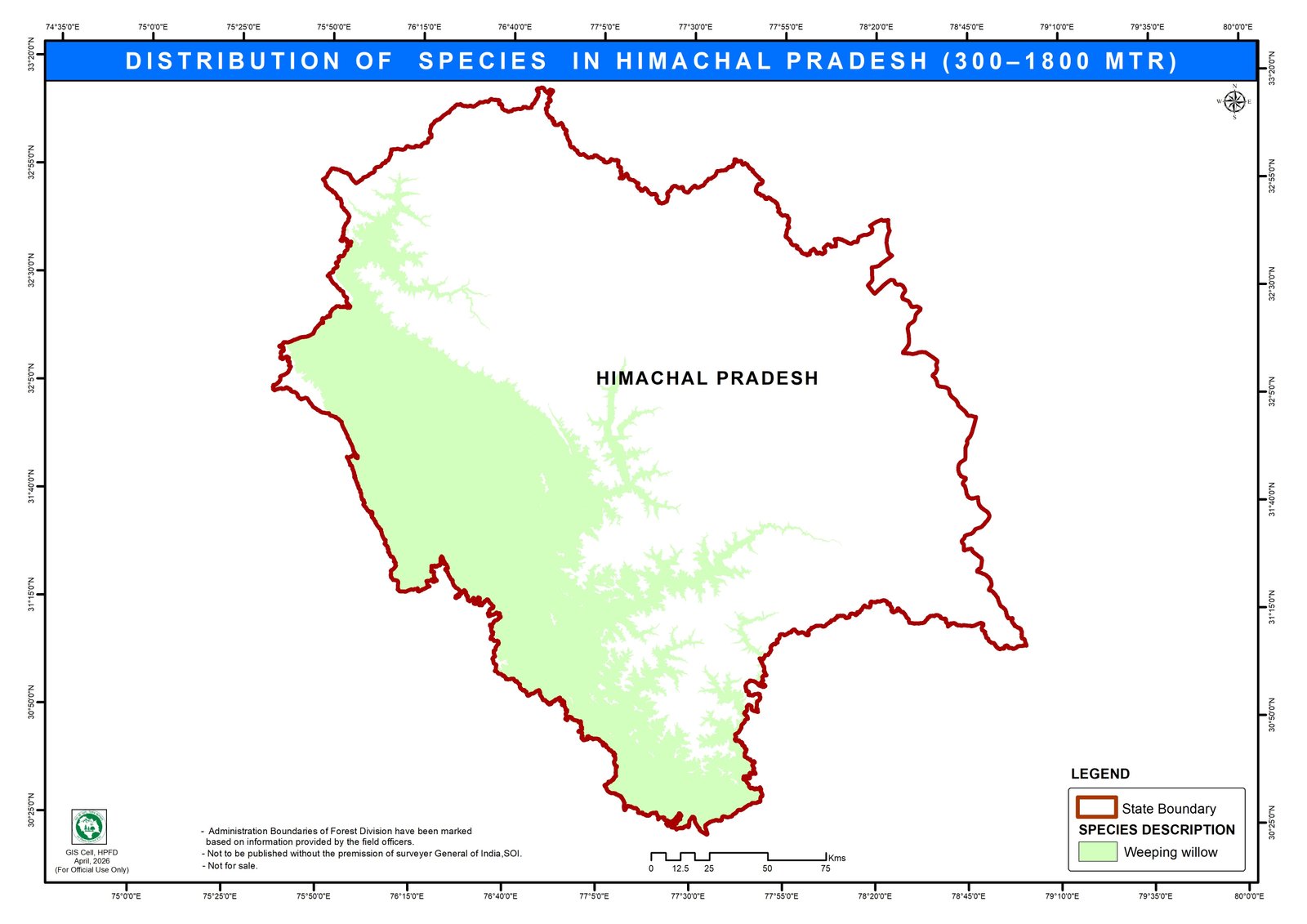
Found along river banks,lakesides, ponds, gardens and parks usually at low to mid elevations 300-1800m.
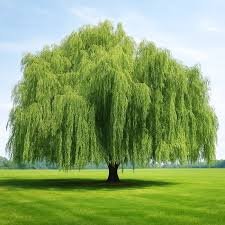
Medium to large deciduous tree 12-20m tall famous for its long pendulous drooping branches.flowers are small ,yellow green catkins apperaing in early springs.
- Soil and water conservation , effective in stabilizing riverbanks and lake edges , preventing erosion. Highly valued for its graceful drooping form :plantes in parks,avenues and water gardens.
Plant Details
Seed
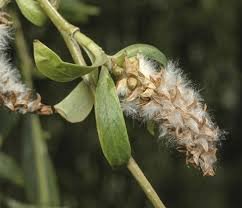
Flower
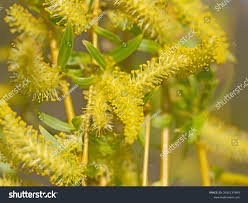
Fruit
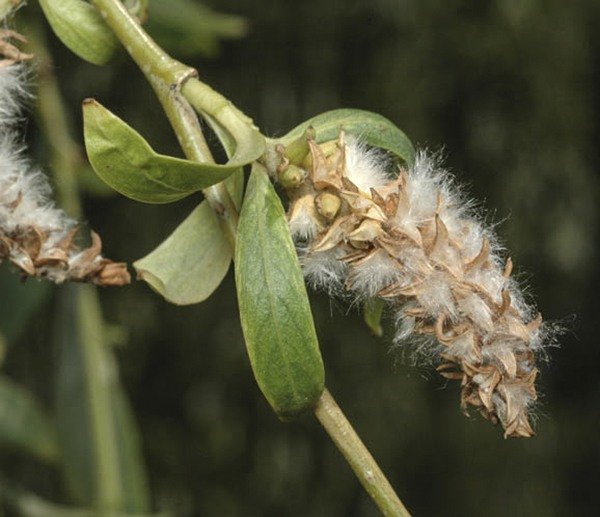
Leaves
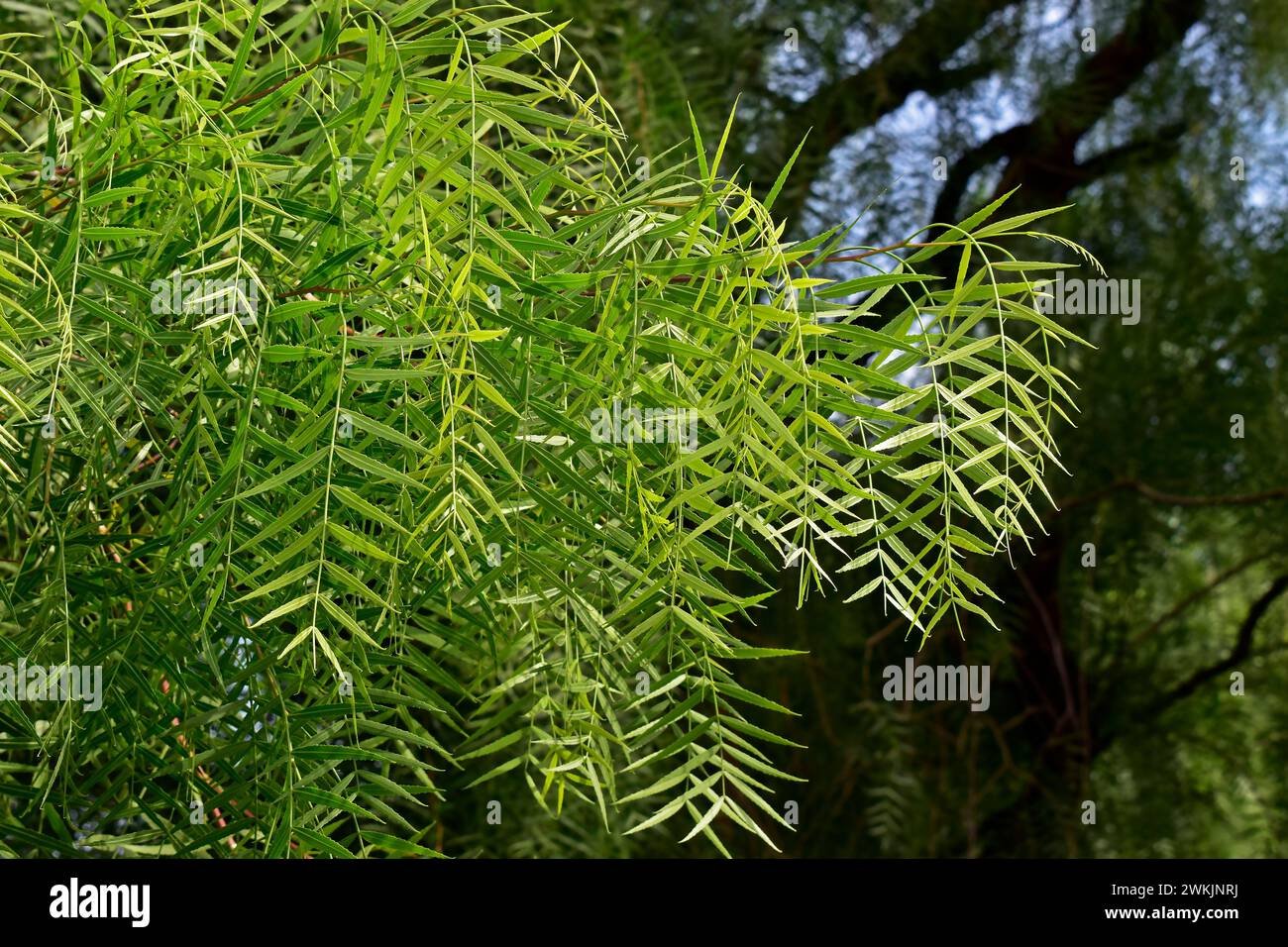
Bark
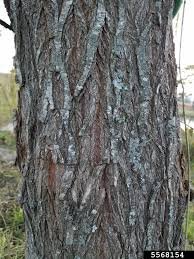
Salix babylonica L.
A medium-sized deciduous tree known for its natural cleansing properties and wide ecological value.
All Tree SpeciesQuick Facts
Native Information
Originally from china ,but widely planted across Asia inculding the himalayas (India, pakistan, Nepal).
Habitat
Found along river banks,lakesides, ponds, gardens and parks usually at low to mid elevations 300-1800m.
Habit
Medium to large deciduous tree 12-20m tall famous for its long pendulous drooping branches.flowers are small ,yellow green catkins apperaing in early springs.
Uses
- Soil and water conservation , effective in stabilizing riverbanks and lake edges , preventing erosion. Highly valued for its graceful drooping form :plantes in parks,avenues and water gardens.
Seed
Flower
Fruit
Leaves
Bark